The Ultimate Guide to Choosing the Right Generator for Your Home


Understanding Your Power Needs
When selecting a generator for your home, the first step is to assess your power needs. Consider the essential appliances and systems you need to keep running during a power outage. This usually includes refrigerators, heating, cooling systems, and lighting.

Begin by making a list of these appliances and their wattage requirements. This will help you determine the size of the generator you need. Remember, it's not just about the total wattage but also the surge power required when appliances start up.
Types of Home Generators
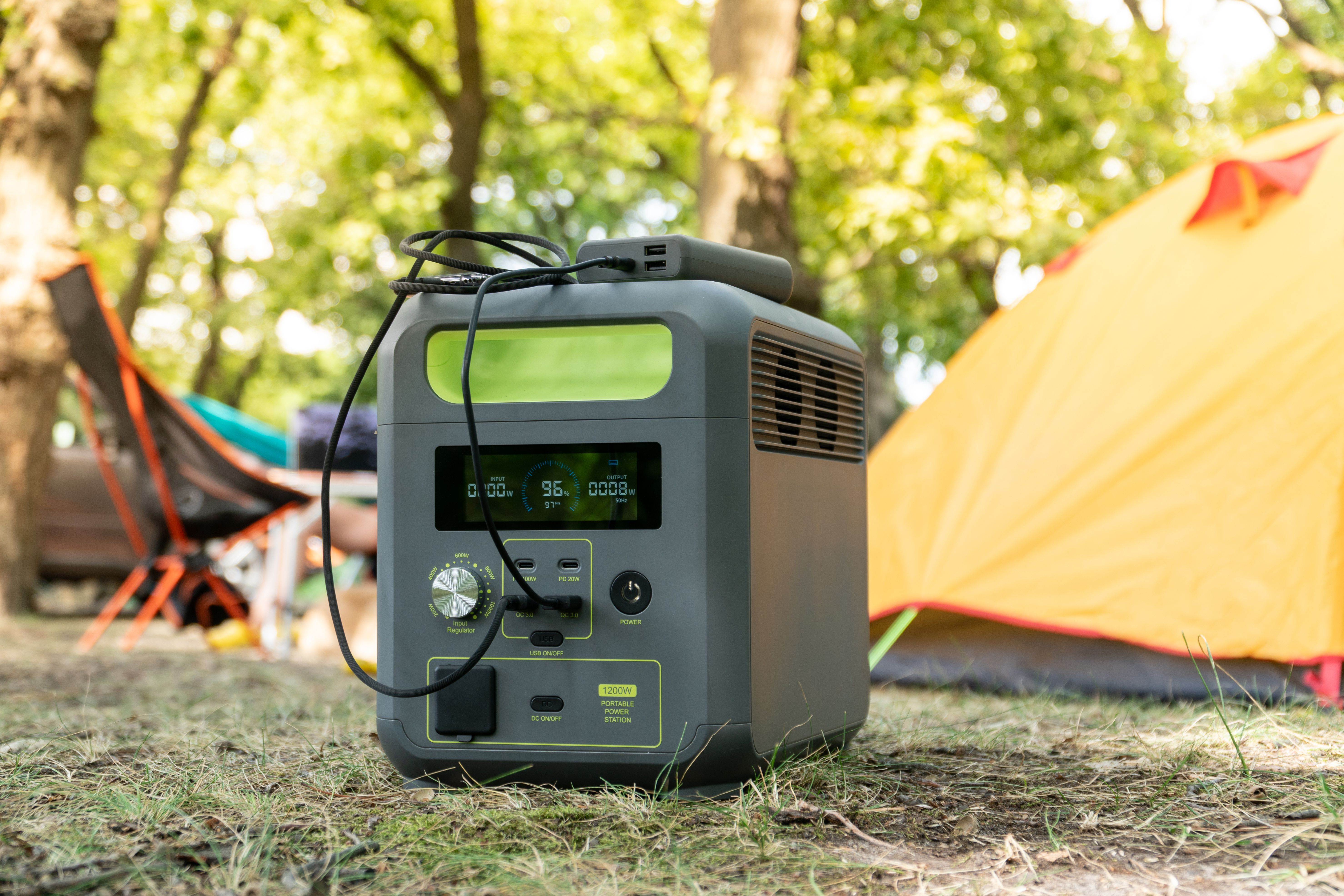
There are various types of generators available, each with unique features. The most common are portable generators, inverter generators, and standby generators. Understanding the differences can help you make an informed decision.
Portable generators are versatile and can be used for multiple purposes, while inverter generators are known for their quiet operation and fuel efficiency. Standby generators are permanently installed and automatically kick in during an outage, making them ideal for long-term use.
Fuel Types and Efficiency
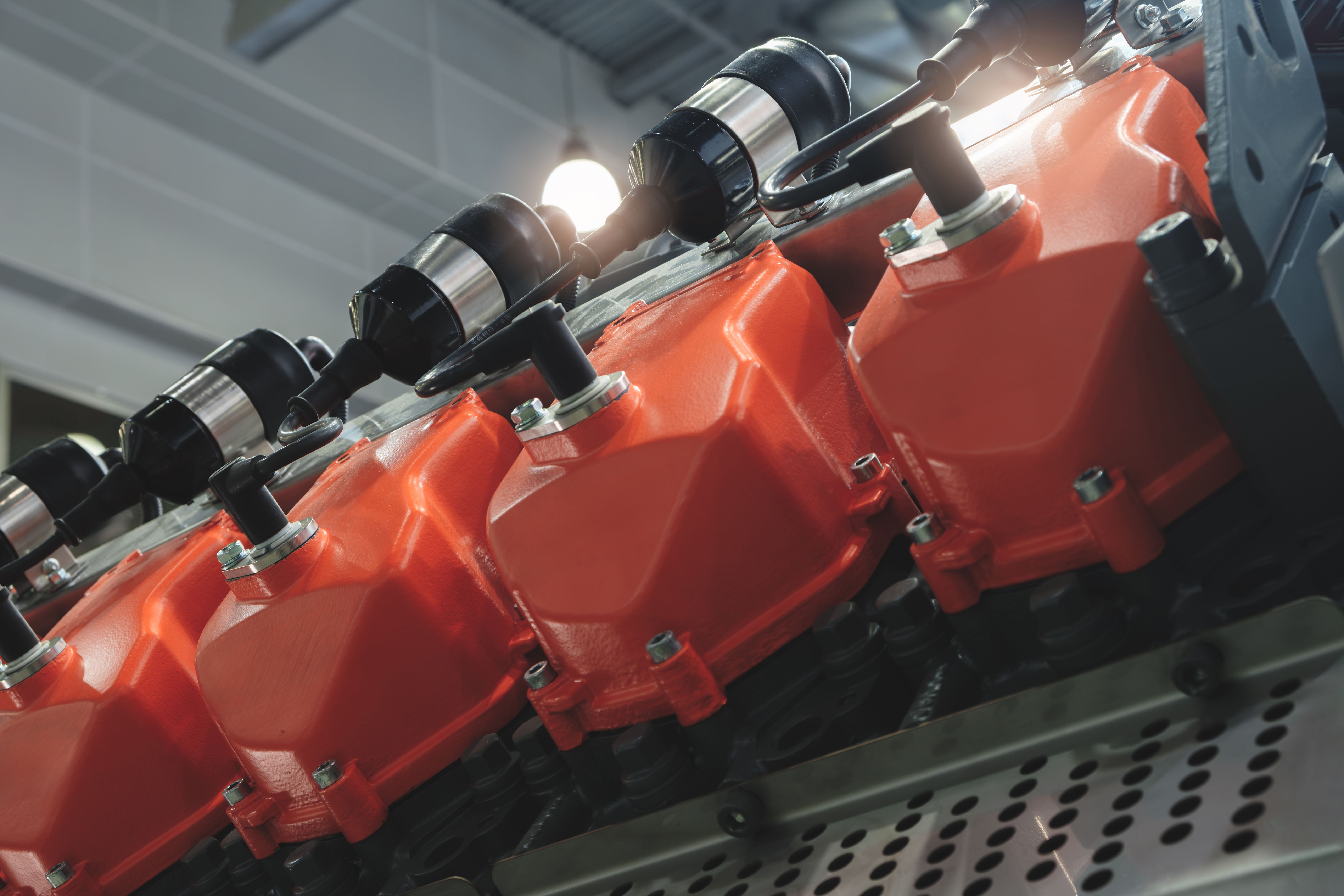
Generators can run on different types of fuel, including gasoline, diesel, propane, and natural gas. Each fuel type has its pros and cons, so consider availability and storage options in your area.
Gasoline is widely available but may not be the most efficient. Diesel generators are fuel-efficient and durable, while propane and natural gas offer cleaner-burning options. Evaluate the cost and convenience of each fuel type before making a decision.
Key Features to Consider
When choosing a generator, look for key features that enhance performance and user experience. Automatic transfer switches are crucial for standby generators as they ensure a seamless transition during power outages.
Other important features include remote monitoring, which allows you to check the status of your generator via a smartphone app, and noise levels, especially if you live in a noise-sensitive area. Safety features like overload protection and low-oil shutoff are also important to ensure reliability and longevity.
Installation and Maintenance
Proper installation is vital for the safe and efficient operation of your generator. It’s often best to have a professional handle the installation, especially for standby generators, to ensure all local codes and regulations are met.
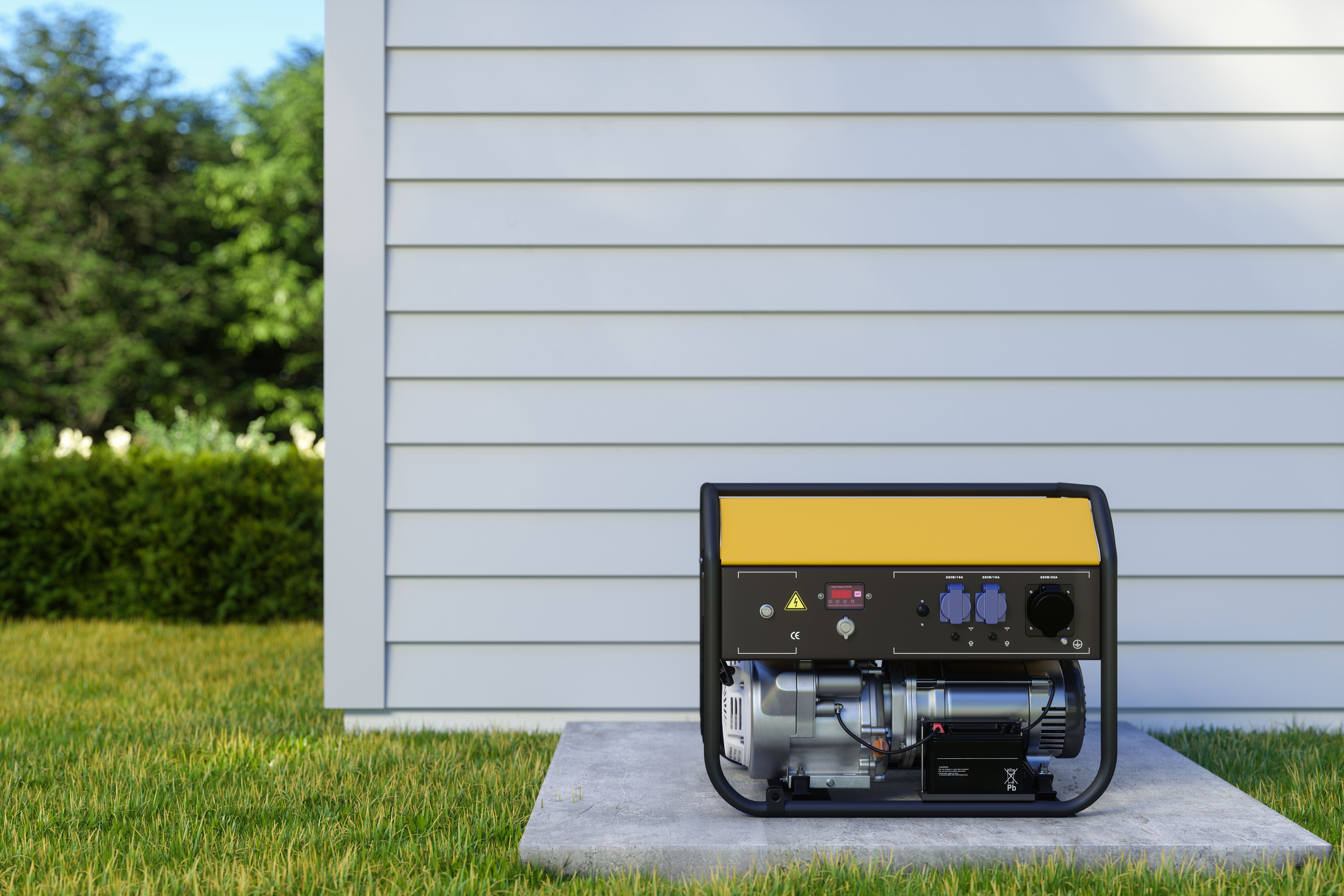
Regular maintenance is necessary to keep your generator in good working condition. This includes checking oil levels, replacing filters, and running the generator periodically to ensure it operates smoothly when needed. Consider a maintenance plan or schedule to keep track of these tasks.
Budget and Financing Options
Generators can be a significant investment, so it’s important to set a budget and explore financing options if necessary. Portable generators are generally more affordable, while standby generators can be more costly due to installation and additional features.
Look for promotions or financing plans offered by retailers or manufacturers, which can make purchasing a generator more manageable. Weigh the cost against the peace of mind and convenience a reliable power source can provide during outages.