The Ultimate Guide to Choosing the Right Generator for Your Home


Understanding Your Power Needs
When choosing a generator for your home, the first step is to assess your power needs. Consider which appliances and systems are essential during a power outage. Common essentials include refrigerators, heating systems, lights, and medical devices. Make a list and estimate the total wattage required.
Determine whether you need a generator to power your entire home or just a few critical devices. This decision will guide you toward the right size and type of generator. Remember, oversizing can lead to unnecessary costs, while undersizing can leave you without enough power during an emergency.
Types of Generators
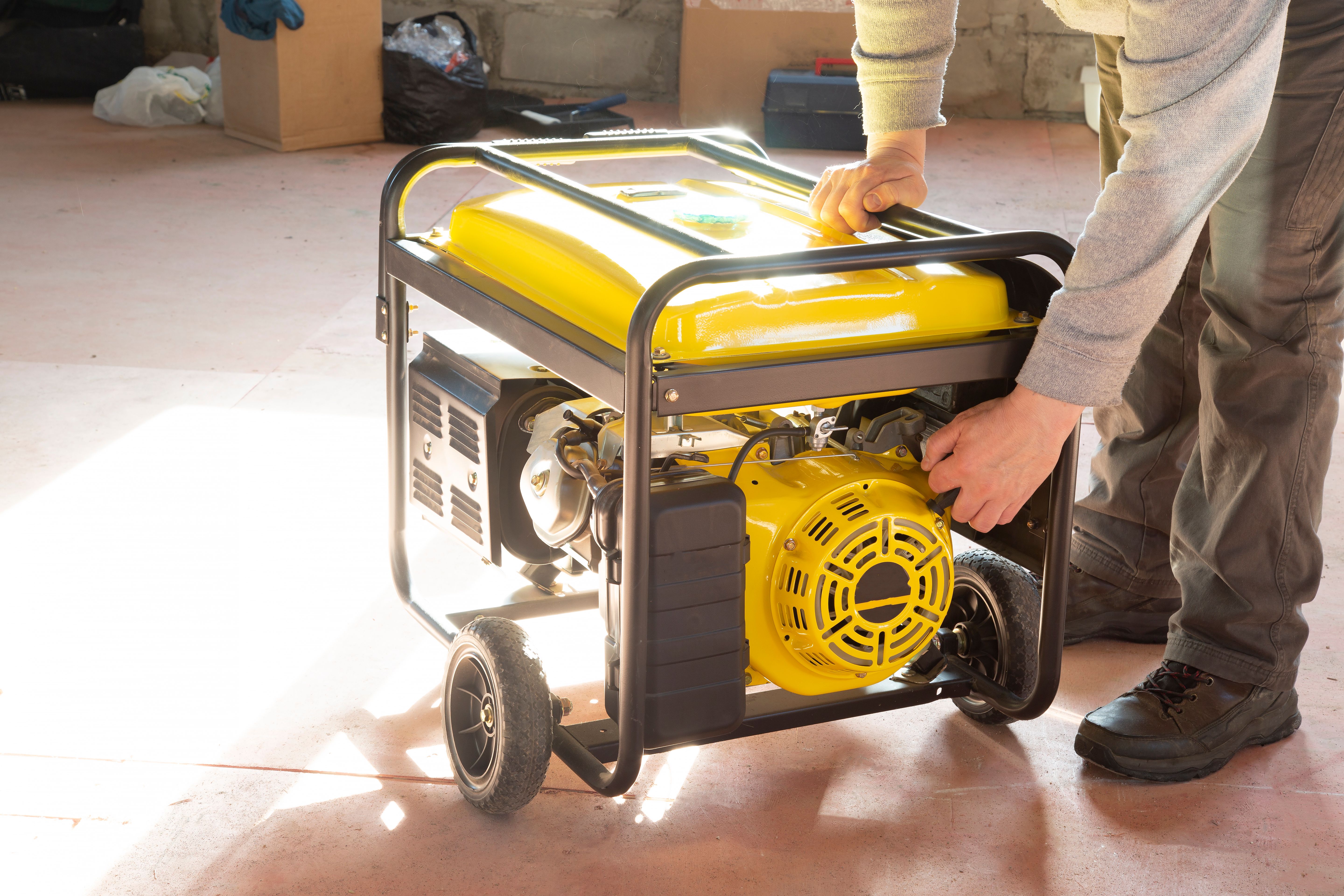
There are two main types of generators for home use: portable and standby. Portable generators are versatile, movable, and generally less expensive. They are ideal for short-term power outages and can be used for outdoor activities as well. However, they require manual setup and fueling.
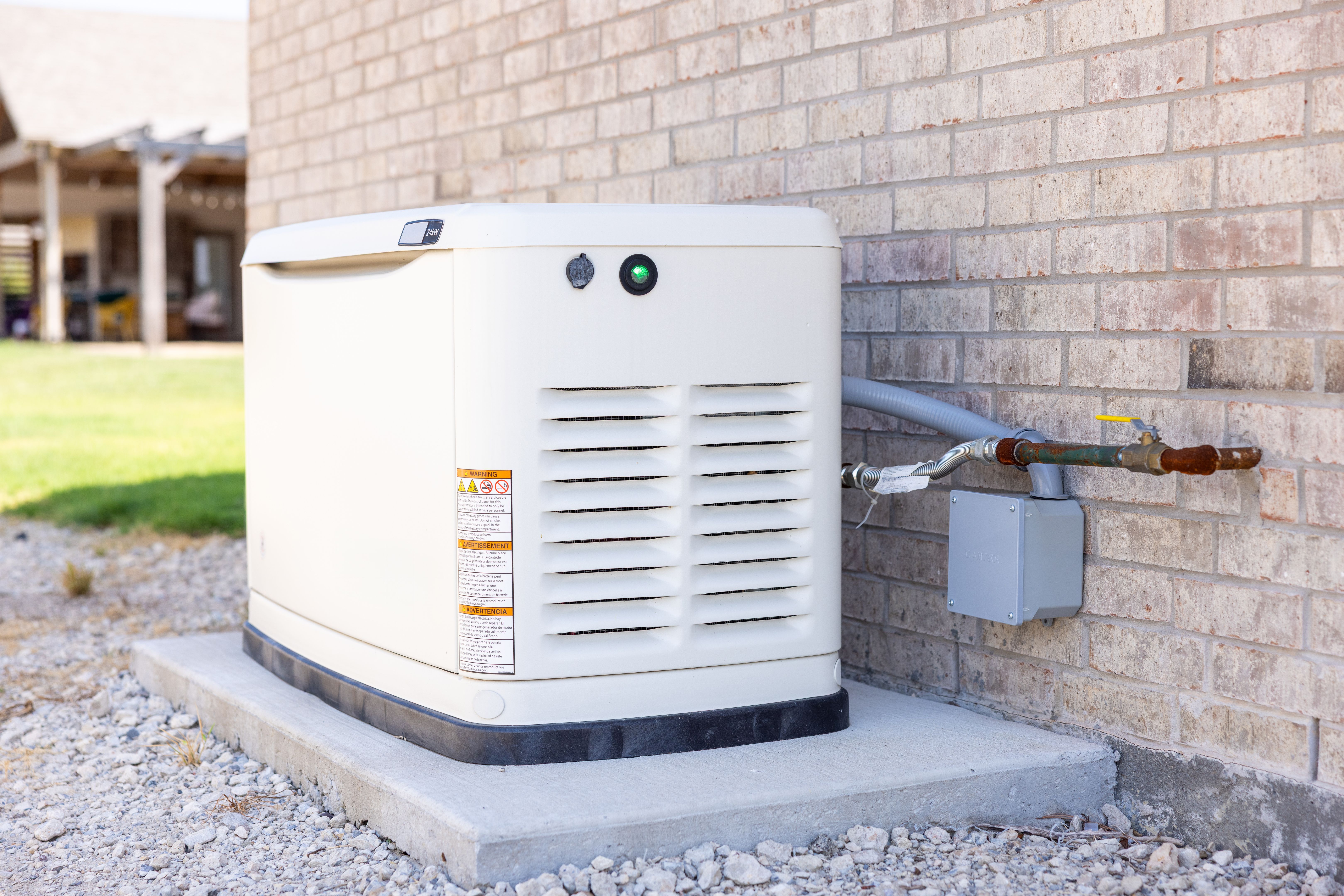
Standby generators, on the other hand, are permanently installed and automatically turn on during a power outage. They are more powerful and can support your entire home. Although more expensive, they offer convenience and peace of mind as they run on natural gas or propane.
Fuel Options
Generators can run on various fuels, including gasoline, diesel, natural gas, and propane. Each fuel type has its advantages. Gasoline is readily available but has a shorter shelf life. Diesel is efficient and provides more energy, but the generators tend to be larger and louder.
Natural gas and propane provide a clean-burning option and are often used for standby generators. They offer a continuous supply if connected to a gas line, making them a reliable choice for long-term outages.
Key Features to Consider
When selecting a generator, look for features that enhance performance and ease of use. Automatic transfer switches are crucial for standby generators, allowing them to start automatically during an outage. Additionally, consider features like electric start, fuel gauge, and low-oil shutoff for added convenience and safety.
For portable generators, portability features such as wheels and handles are essential. Also, check for noise levels if you plan to use the generator in a residential area to avoid disturbing neighbors.
Budget and Installation
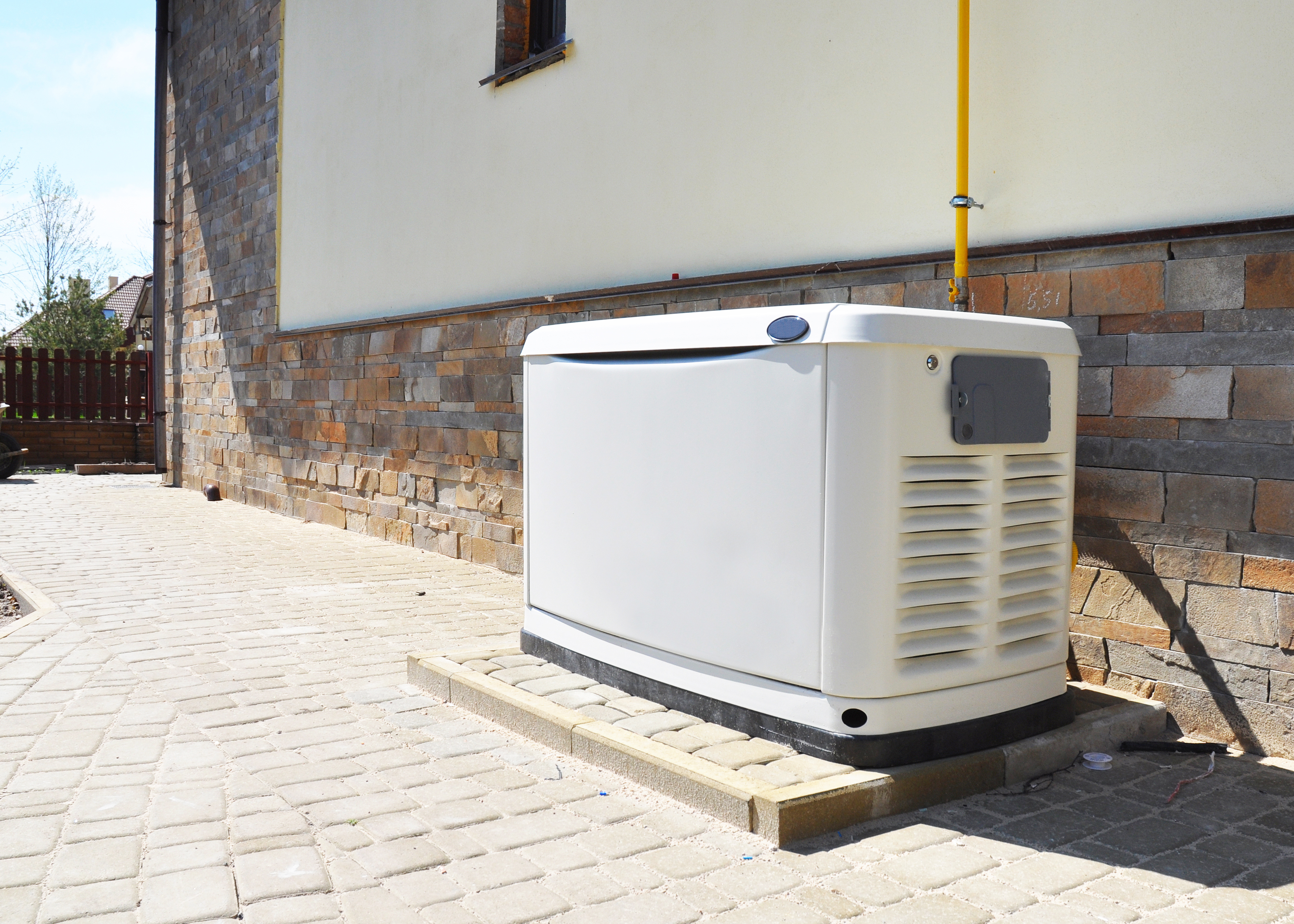
Your budget will heavily influence your generator choice. Portable generators are generally less expensive, ranging from a few hundred to a few thousand dollars. Standby generators can cost several thousand dollars, including installation.
Installation for standby generators should be done by professionals to ensure compliance with local codes and safety standards. This adds to the overall cost but is essential for proper operation and warranty coverage.
Maintenance and Safety Tips
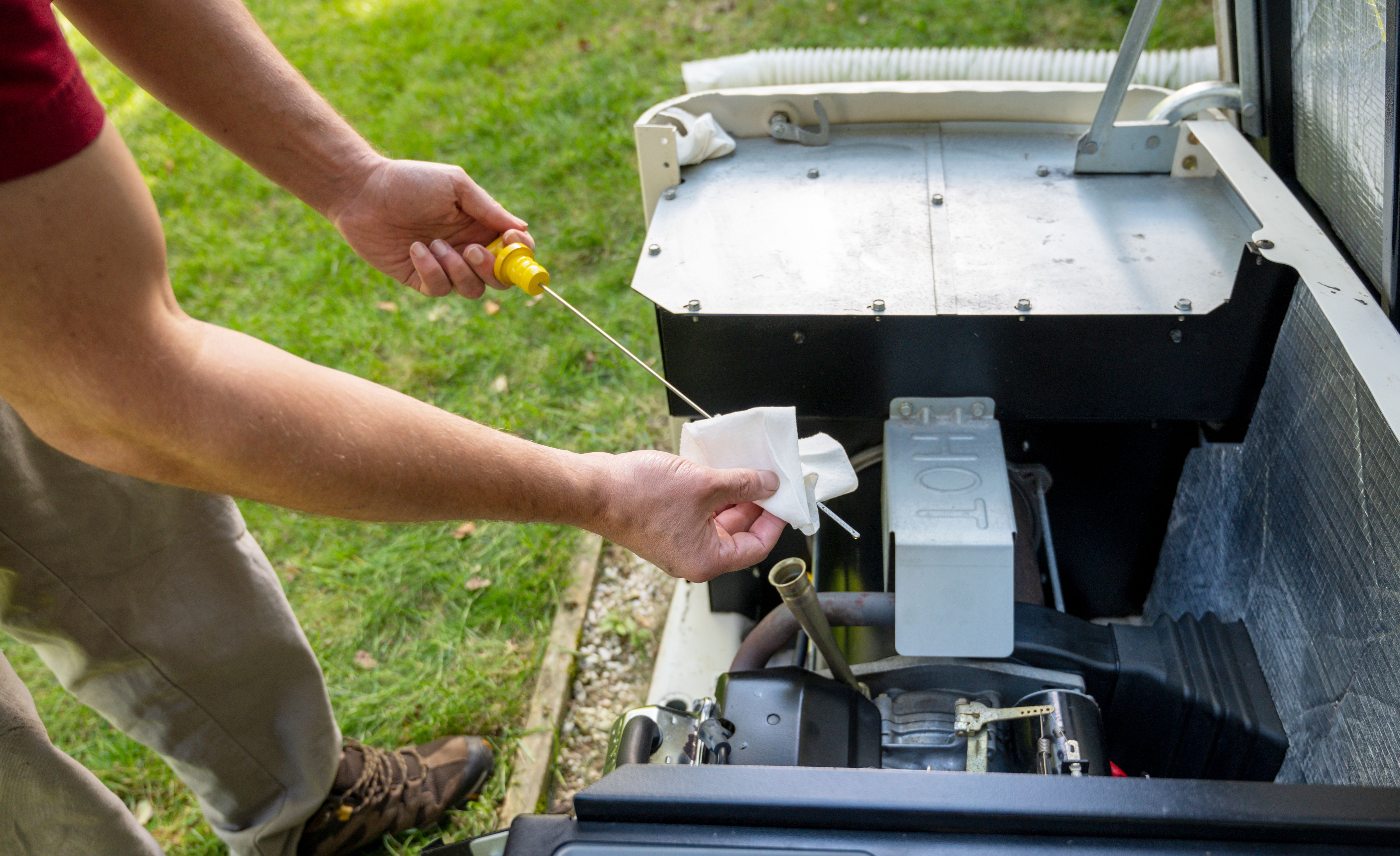
Regular maintenance is crucial to keep your generator in top working condition. Follow the manufacturer's guidelines for oil changes, filter replacements, and routine inspections. Keeping your generator clean and dry will extend its lifespan.
Safety should always be a priority. Never operate a generator indoors or in enclosed spaces to avoid carbon monoxide poisoning. Ensure proper ventilation and use carbon monoxide detectors for added safety. Always follow the manufacturer’s instructions for safe operation.