The Ultimate Guide to Choosing the Right Generator for Your Home


Understanding Your Power Needs
Choosing the right generator for your home begins with understanding your power needs. Consider the essential appliances and systems you need to keep running during a power outage. This may include your refrigerator, heating system, lights, and any medical equipment. Knowing your specific needs will help determine the size and type of generator required.
Assess your daily power consumption by checking the wattage of your essential devices. Add up these numbers to get a baseline understanding of the power you'll need. Remember, a generator that provides too little power will not be effective, while one that provides too much could be unnecessarily costly.
Types of Generators
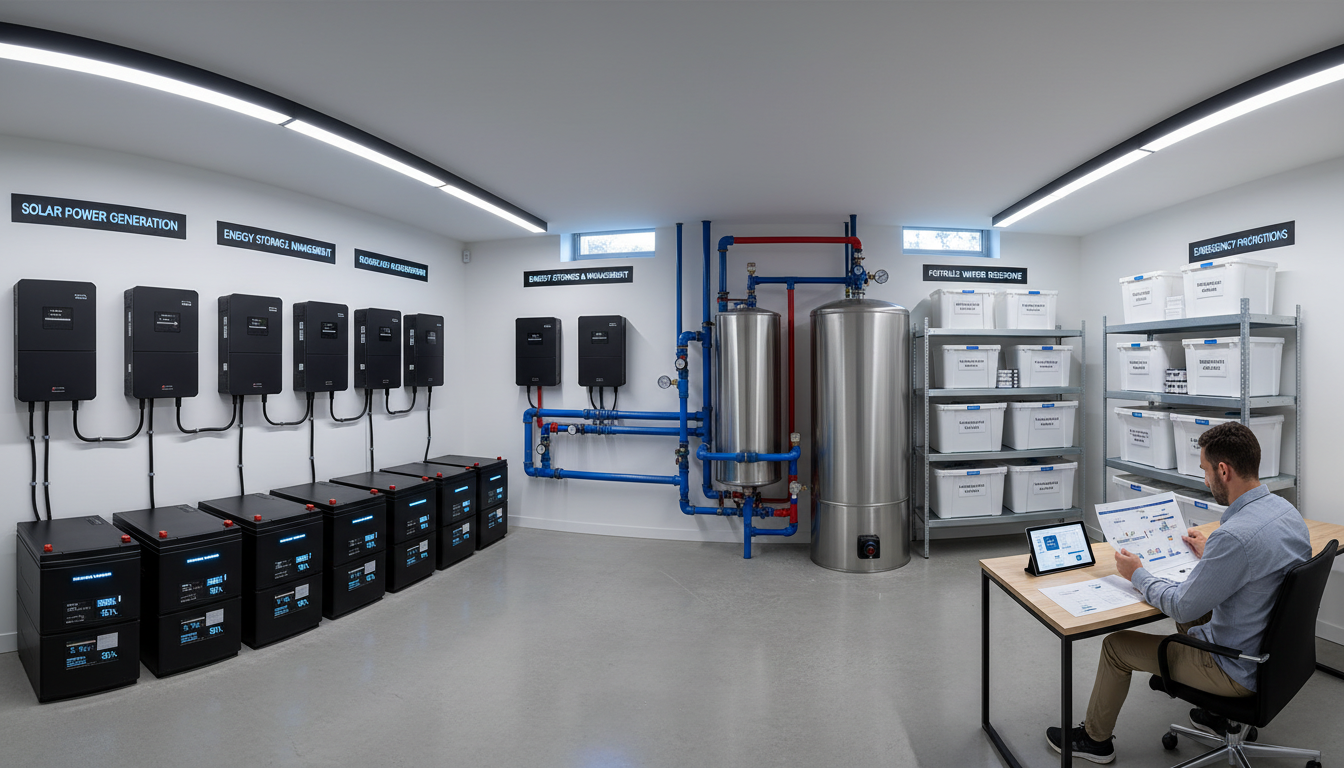
There are several types of generators available, each with its own advantages. The main types include portable generators, inverter generators, and standby generators. Each type serves different needs and situations.
Portable Generators
Portable generators are versatile and can be moved to different locations as needed. They are typically powered by gasoline and are ideal for short-term power outages. However, they require manual setup and refueling.
Inverter Generators
Inverter generators are known for their quiet operation and fuel efficiency. They produce clean power, making them suitable for sensitive electronics like computers and televisions. These generators are typically more expensive but offer superior performance.
Features to Consider
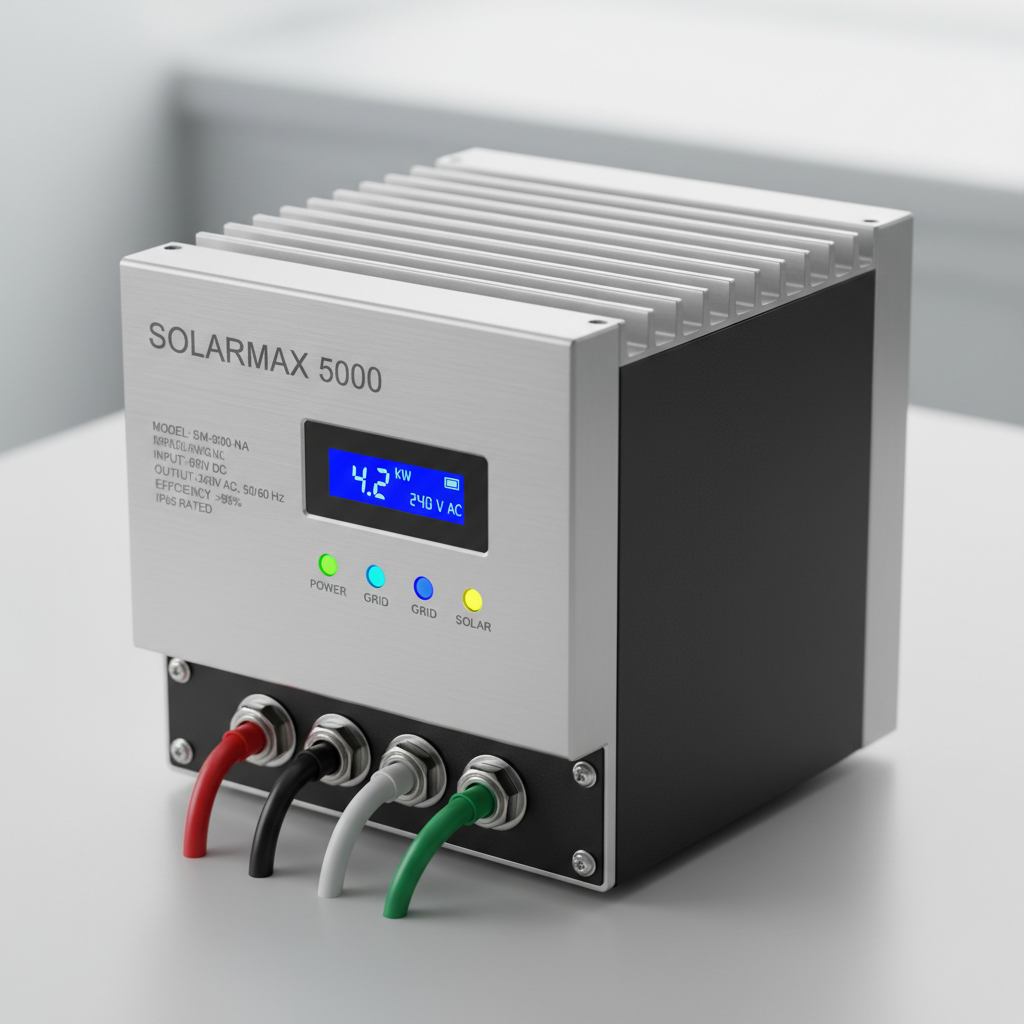
When selecting a generator, look for features that match your specific needs. Some key features to consider include:
- Fuel Type: Generators can run on gasoline, diesel, propane, or natural gas. Choose one that matches your availability and convenience.
- Automatic Start: Some generators automatically start during a power outage, providing seamless power transition.
- Noise Level: Consider the generator's noise level, especially if it's located near living spaces.
Safety and Maintenance
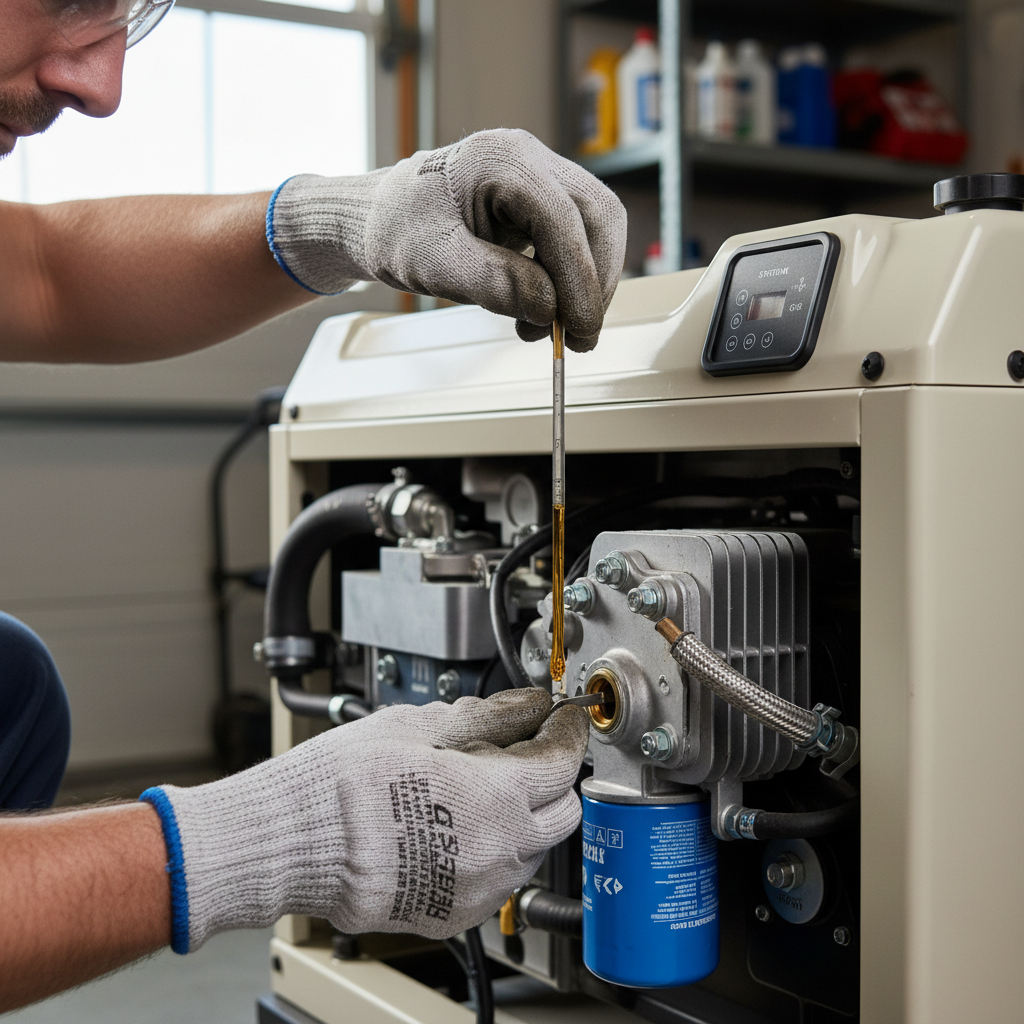
Safety is paramount when using a generator. Ensure proper ventilation to avoid carbon monoxide buildup, and never operate a generator indoors. Regular maintenance, including oil changes and inspections, will keep your generator running smoothly.
Cost Considerations
The cost of a generator can vary widely based on its size, type, and features. Set a budget that balances your power needs with your financial situation. While it's tempting to opt for the cheapest option, investing in a quality generator can save money in the long run by providing reliable performance.
Consider additional costs such as installation, fuel, and maintenance when calculating the total expense. Some models may require professional installation, particularly standby generators.
Conclusion
Choosing the right generator for your home involves careful consideration of your power needs, budget, and the various features available. By understanding the different types of generators and what they offer, you can make an informed decision that ensures your home remains powered during outages. Take the time to assess your needs, explore your options, and invest in a generator that provides peace of mind and reliability.