The Ultimate Guide to Choosing the Right Generator for Your Home


Understanding Your Power Needs
Choosing the right generator for your home starts with understanding your power needs. Begin by listing essential appliances and systems you would need during a power outage. Common items include refrigerators, lighting, heating systems, and medical equipment. Calculate the total wattage required to run these appliances simultaneously.
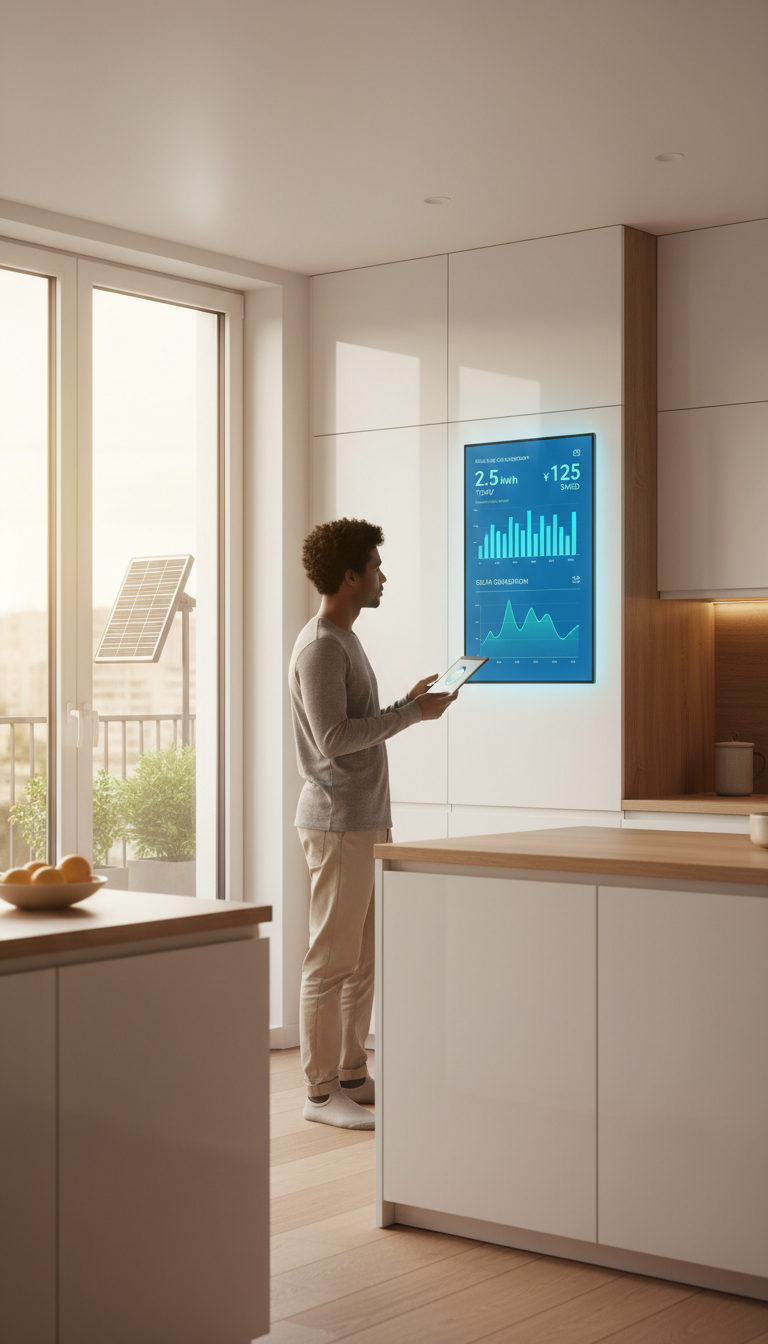
Consider whether you need to power your entire home or just critical systems. This decision will influence the size and type of generator you should consider. Keep in mind that larger generators will provide more power but may also be more costly and require more maintenance.
Types of Generators
There are several types of generators to consider, each with its own advantages and disadvantages. The most common types are portable generators, inverter generators, and standby generators.
Portable generators are versatile and can be used in various locations. They are typically less expensive but require manual setup and fueling. Inverter generators are quieter and more fuel-efficient, making them ideal for sensitive electronics. Standby generators are permanently installed and automatically activate during a power outage, providing seamless power to your home.
Fuel Source Options
The fuel source for your generator is another crucial consideration. Common options include gasoline, propane, and natural gas. Gasoline is widely available but can be less stable for long-term storage. Propane is cleaner-burning and can be stored for longer periods, while natural gas offers a continuous supply but requires a connection to your home's gas lines.
Evaluate the availability and convenience of each fuel type in your area, as well as the cost implications, to make an informed choice.
Installation and Maintenance
Once you’ve selected the right generator, consider the installation process. Standby generators typically require professional installation due to their complexity and connection to your home’s electrical system. Portable generators, on the other hand, can be set up by homeowners but should be used with caution to avoid hazards like carbon monoxide poisoning.
Regular maintenance is essential to ensure your generator operates effectively when needed. Follow the manufacturer's guidelines for routine checks, oil changes, and part replacements. Investing in a maintenance plan can provide peace of mind and extend the lifespan of your generator.
Budget Considerations
Your budget will play a significant role in the selection process. While standby generators offer the most convenience and reliability, they come with a higher price tag. Portable and inverter generators are more budget-friendly but may not offer the same level of power or ease of use.
Consider not only the initial purchase price but also the long-term costs of fuel, maintenance, and potential installation fees. Weigh these factors against your power needs and personal preferences to make a well-rounded decision.
Conclusion
Choosing the right generator for your home is a crucial investment in your comfort and safety during power outages. By understanding your power needs, exploring different types and fuel sources, and considering installation and budget factors, you can select a generator that fits your unique situation. Remember to prioritize quality and reliability to ensure you have a dependable power source when you need it most.