How to Troubleshoot Common Generator Issues: A DIY Guide


Generators are incredibly useful, especially during power outages or when working in remote locations. However, like any other machine, they can encounter issues. Knowing how to troubleshoot common generator problems can save time and money. This DIY guide will help you identify and resolve some frequent generator issues.
Generator Won't Start
If your generator won't start, it's essential to check a few basic things first. Ensure that the generator has enough fuel and that the fuel valve is open. Also, verify that the choke is in the correct position, as an incorrect choke setting can prevent the engine from starting.
Another common issue could be a dead battery. If your generator uses an electric start, check the battery connections and charge. Sometimes, the problem might be as simple as a tripped circuit breaker, so make sure to check that as well.
Low Power Output
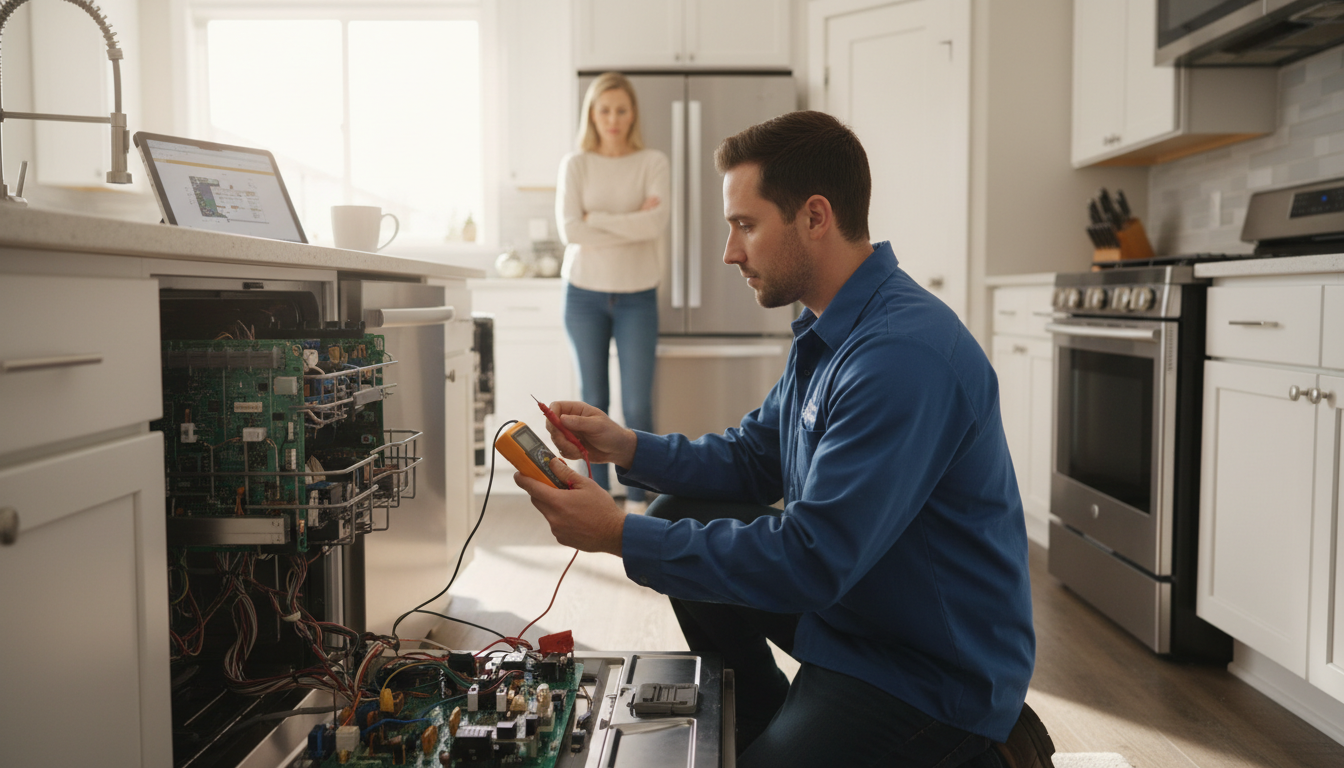
When your generator is running but not producing enough power, start by checking the load. Ensure that the generator isn't overloaded. Remove any non-essential devices and see if the power output improves. It's crucial to match the generator's capacity with your power needs.
Another potential cause of low power output is a dirty air filter. A clogged air filter can restrict airflow, reducing the generator's efficiency. Regularly cleaning or replacing the air filter can help maintain optimal performance.
Inspect the Fuel System
Contaminated fuel can also lead to performance issues. Make sure the fuel is clean and free of debris. If necessary, drain the old fuel and replace it with fresh fuel. Additionally, check the fuel lines for any signs of leaks or blockages.
Overheating Problems
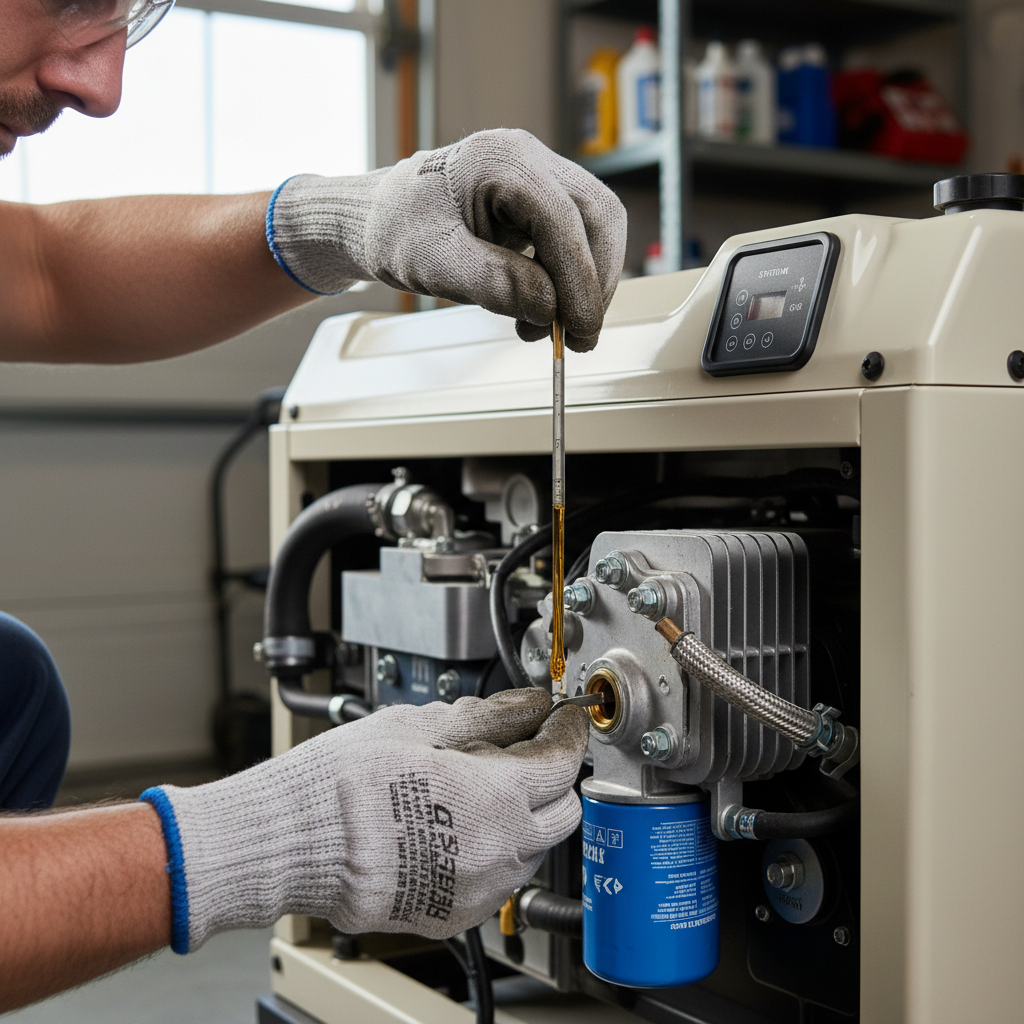
Overheating can cause severe damage to your generator. If you notice your generator is overheating, first check the oil level. Low oil can lead to increased friction and heat. Regularly changing the oil and maintaining the correct level is crucial.
Also, ensure that the generator is placed in a well-ventilated area. Proper airflow is vital to prevent overheating. Remove any obstructions around the generator that could block airflow.
Cooling System Check
If your generator has a cooling system, ensure that it's functioning correctly. Check the coolant level and look for any leaks. Regular maintenance of the cooling system can prevent overheating issues.
Unusual Noises or Vibrations
If your generator is making strange noises or vibrations, it could indicate a mechanical issue. Loose components are often the culprit. Inspect the generator for any loose bolts or parts and tighten them as needed.
Additionally, check the mounting and ensure that the generator is on a stable and level surface. Vibrations can also be caused by an imbalance in the engine, so it's essential to address these issues promptly.
By following these troubleshooting steps, you can resolve many common generator problems on your own. Regular maintenance and timely inspections can prevent issues before they arise, ensuring your generator operates smoothly when you need it most.