Generator Safety Tips: Protecting Your Family and Home


Understanding the Importance of Generator Safety
Generators are incredibly useful during power outages, providing a reliable backup source of electricity. However, it's essential to prioritize safety when using these devices to protect your family and home. Understanding the risks and taking necessary precautions can prevent accidents and ensure peace of mind.

Proper Placement of Your Generator
One of the most critical safety tips is to place your generator in a safe location. Generators should be positioned outdoors and at least 20 feet away from windows, doors, and vents to prevent carbon monoxide poisoning. Never run a generator inside a home, garage, or basement.
Make sure the generator is on a dry surface, and protect it from rain and snow with a canopy or tent. Avoid placing the generator near flammable materials, and ensure it has proper ventilation to operate safely.
Regular Maintenance and Inspection
To keep your generator running smoothly, regular maintenance is crucial. Check the oil level, air filter, and spark plugs routinely to ensure the generator is in good working condition. Follow the manufacturer’s guidelines for maintenance schedules.
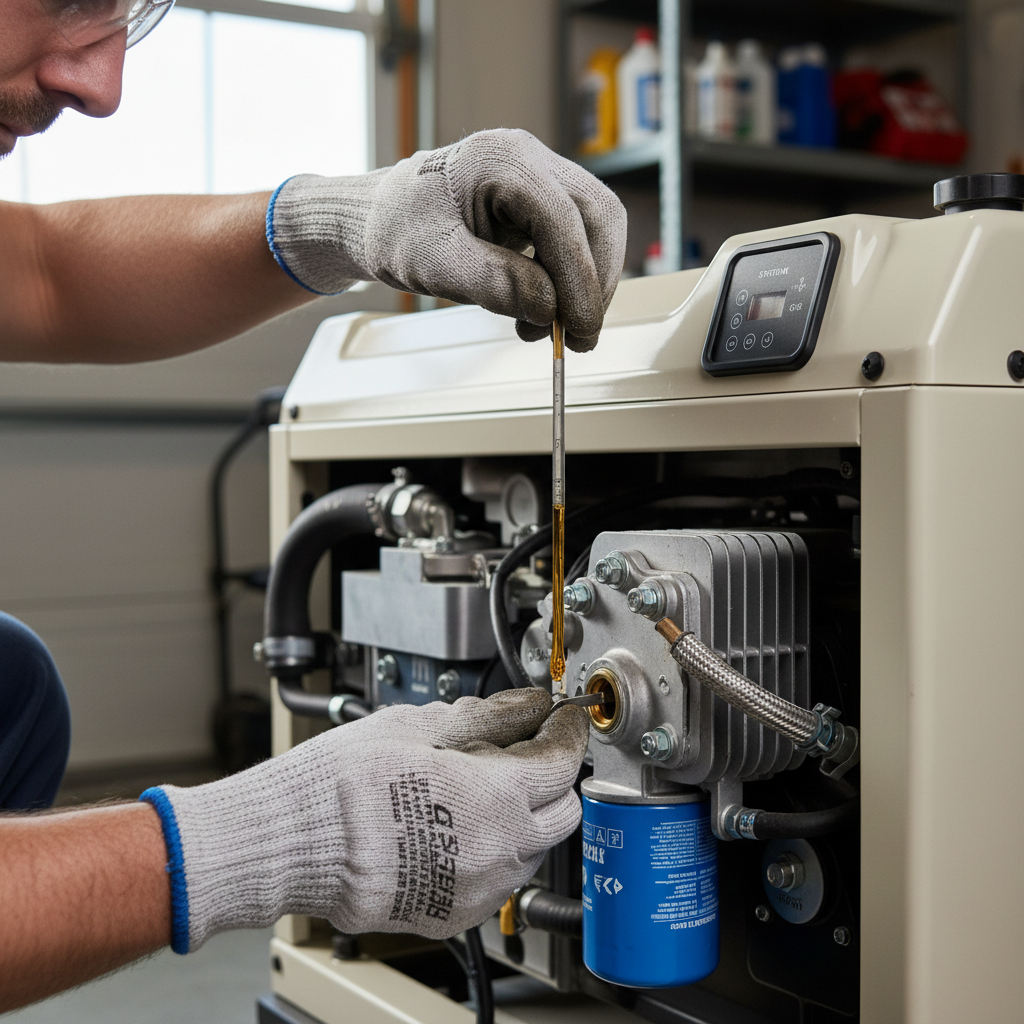
It's also essential to inspect the generator for any signs of wear or damage before each use. Addressing issues promptly can prevent malfunctions and extend the lifespan of your generator.
Safe Fuel Storage and Handling
Fuel is a necessary component for your generator, but it requires careful handling. Store fuel in approved containers and keep them away from living areas to reduce the risk of fire or explosion. Always turn the generator off and let it cool down before refueling.
When storing fuel, ensure it's kept in a well-ventilated area, and check expiration dates. Old or stale fuel can damage the engine and reduce efficiency.

Using Extension Cords Safely
Extension cords are often used with generators to power appliances. Use heavy-duty, outdoor-rated extension cords that match the generator’s power output. Ensure the cords are free of cuts or damage and keep them away from water or damp areas to prevent electrical hazards.
Connecting Appliances Safely
When connecting appliances, make sure not to overload the generator. Refer to the generator’s manual to understand its power capacity and avoid plugging in devices that exceed this limit. Overloading can cause damage to both the generator and your appliances.
Emergency Preparedness
Having a generator is a great step towards emergency preparedness, but it's important to have a plan. Educate your family about generator safety and have a checklist of essential safety practices. Regularly review and practice your emergency plan to ensure everyone knows what to do in the event of a power outage.
By following these generator safety tips, you can ensure the safety of your family and home while enjoying the convenience of backup power. Prioritizing safety not only prevents accidents but also provides peace of mind during emergencies.