DIY Generator Installation: What You Need to Know


Understanding the Basics of DIY Generator Installation
Installing a generator can be a lifesaver during power outages, allowing you to keep essential appliances running. However, a DIY installation requires careful planning and execution to ensure safety and functionality. Whether you’re a seasoned DIY enthusiast or a beginner, understanding the basics can make the process smoother.
Choosing the Right Generator
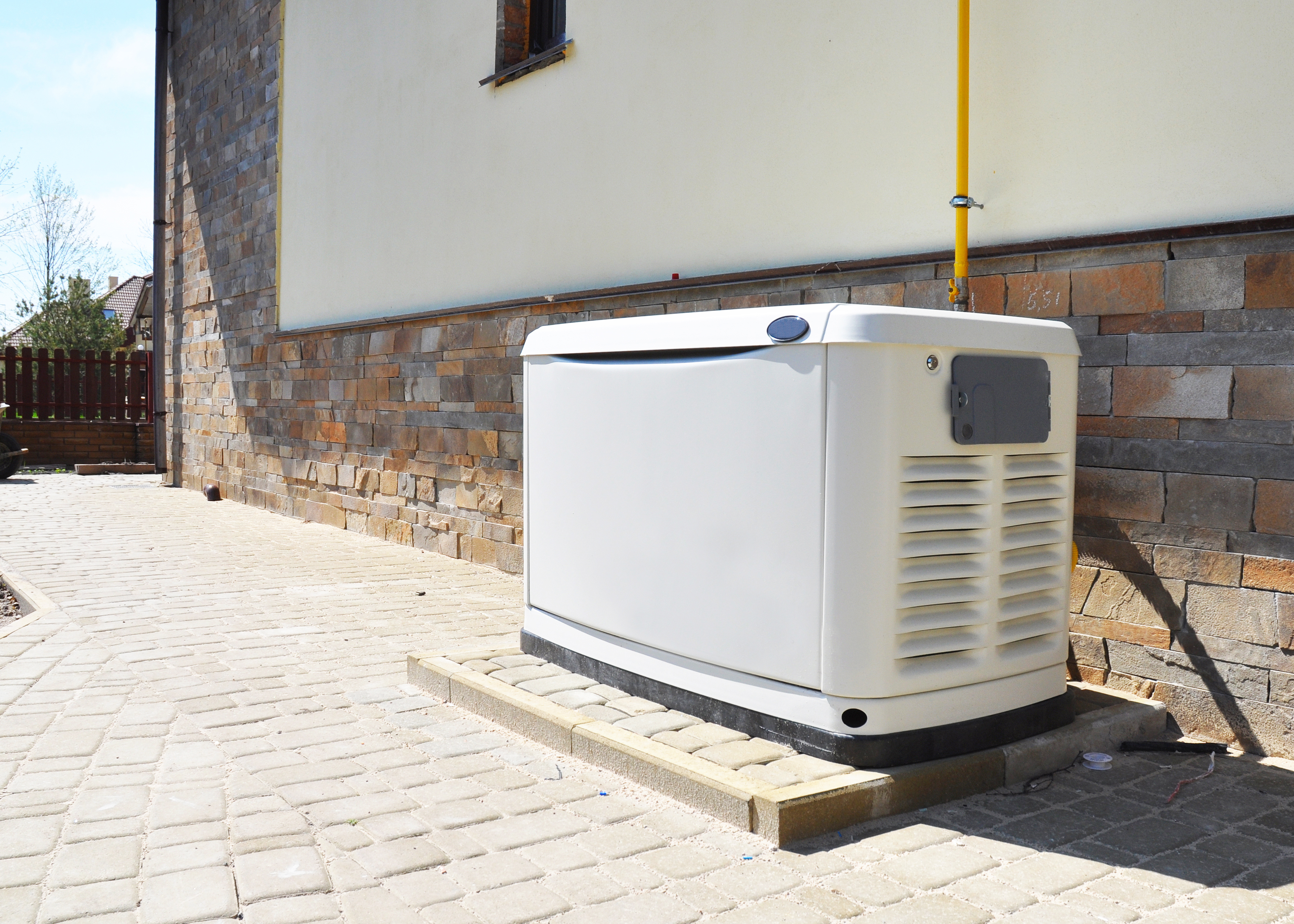
The first step in your DIY generator installation is selecting the right generator for your needs. Consider the wattage requirements of the appliances you want to power. A portable generator might suffice for small needs, while a standby generator is better for whole-house coverage. Make sure to review the specifications and choose a model that matches your power requirements.
Preparing for Installation
Once you have your generator, the next step is preparation. You'll need the right tools, including wrenches, screwdrivers, and a drill. It’s also crucial to select a suitable location for your generator. This area should be dry, well-ventilated, and easily accessible for maintenance. Check local zoning laws and regulations, as they might dictate where you can place your generator.
Installation Steps
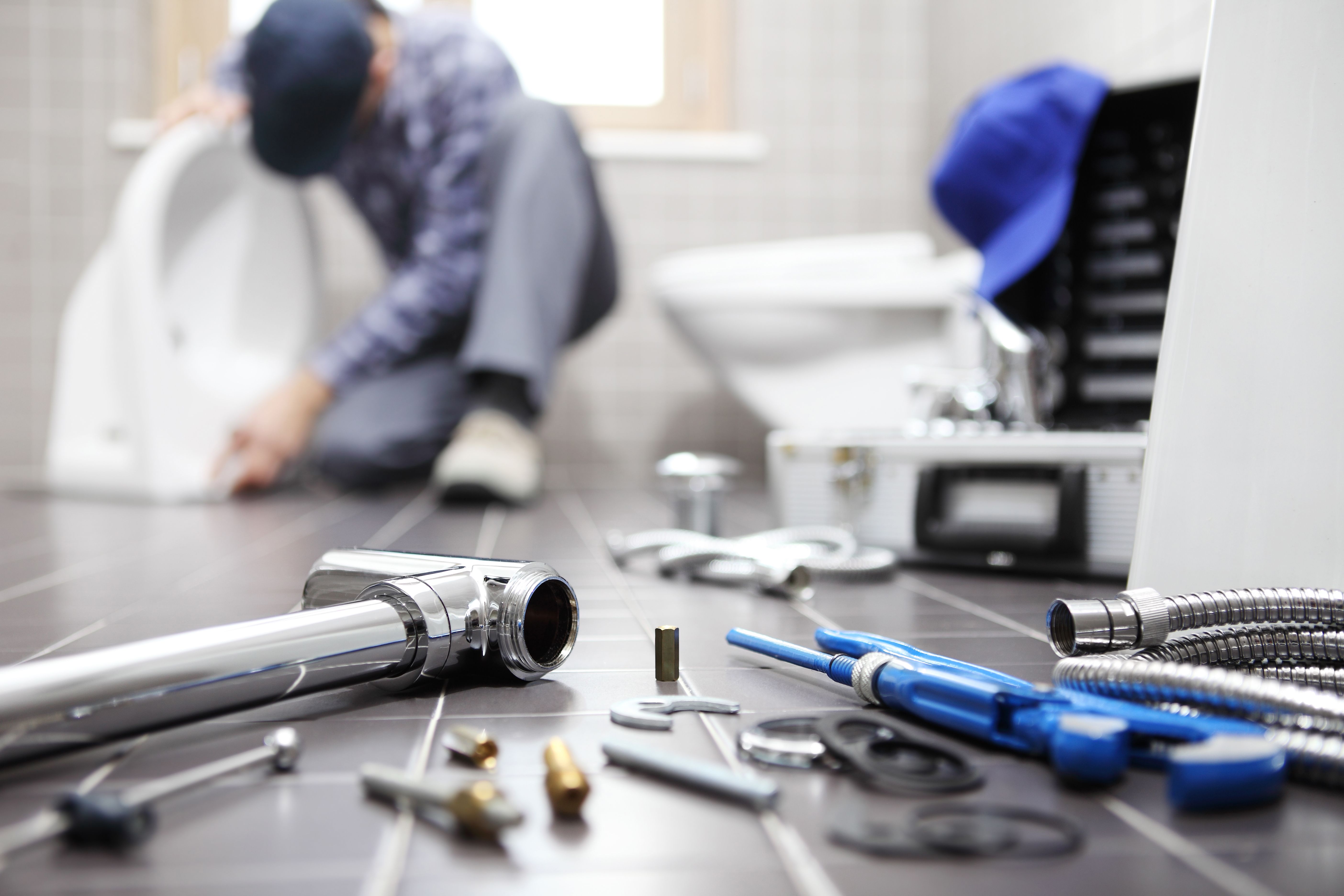
Installing a generator involves several key steps. Here’s a simplified overview:
- Mount the Transfer Switch: This component allows you to switch between utility power and generator power safely. It should be installed by your main electrical panel.
- Connect the Generator: Use the appropriate wiring and plugs to connect your generator to the transfer switch. This step is critical for ensuring safe power transfer.
- Test the System: Once everything is connected, test the generator system to ensure it works correctly. Make sure all necessary appliances are receiving power.
Safety Considerations
Safety is paramount when installing a generator. Always follow the manufacturer’s instructions and safety guidelines. Ensure that your generator is installed in a location with proper ventilation to prevent carbon monoxide buildup. It’s also wise to install a carbon monoxide detector near your generator to enhance safety.

Regular Maintenance
After installation, regular maintenance is crucial to keep your generator running smoothly. This includes checking oil levels, inspecting spark plugs, and ensuring that the generator is clean and free from debris. Regular testing ensures that your generator will work when you need it most.
When to Seek Professional Help
While DIY installation can be rewarding, there are times when professional help is necessary. If you’re unsure about any aspect of the installation, it’s best to consult with a certified electrician. They can ensure that your generator is installed safely and in compliance with local codes and regulations.
In conclusion, DIY generator installation can be a practical solution for ensuring backup power. By understanding the basics, preparing adequately, and prioritizing safety, you can successfully complete your installation project. Remember, when in doubt, professional assistance is always a smart choice.