Comprehensive Guide to Choosing the Right Generator for Your Home


Understanding Your Power Needs
Choosing the right generator for your home starts with understanding your power needs. Consider which appliances and systems are essential during a power outage. Common necessities include refrigerators, heating systems, and medical equipment. To determine the total wattage required, make a list of these items and check their power consumption.
Types of Generators
Portable Generators
Portable generators are a popular choice due to their flexibility and lower cost. They are ideal for short-term use and can power essential appliances. However, they require manual start-up and fuel management, often using gasoline or propane.
Standby Generators
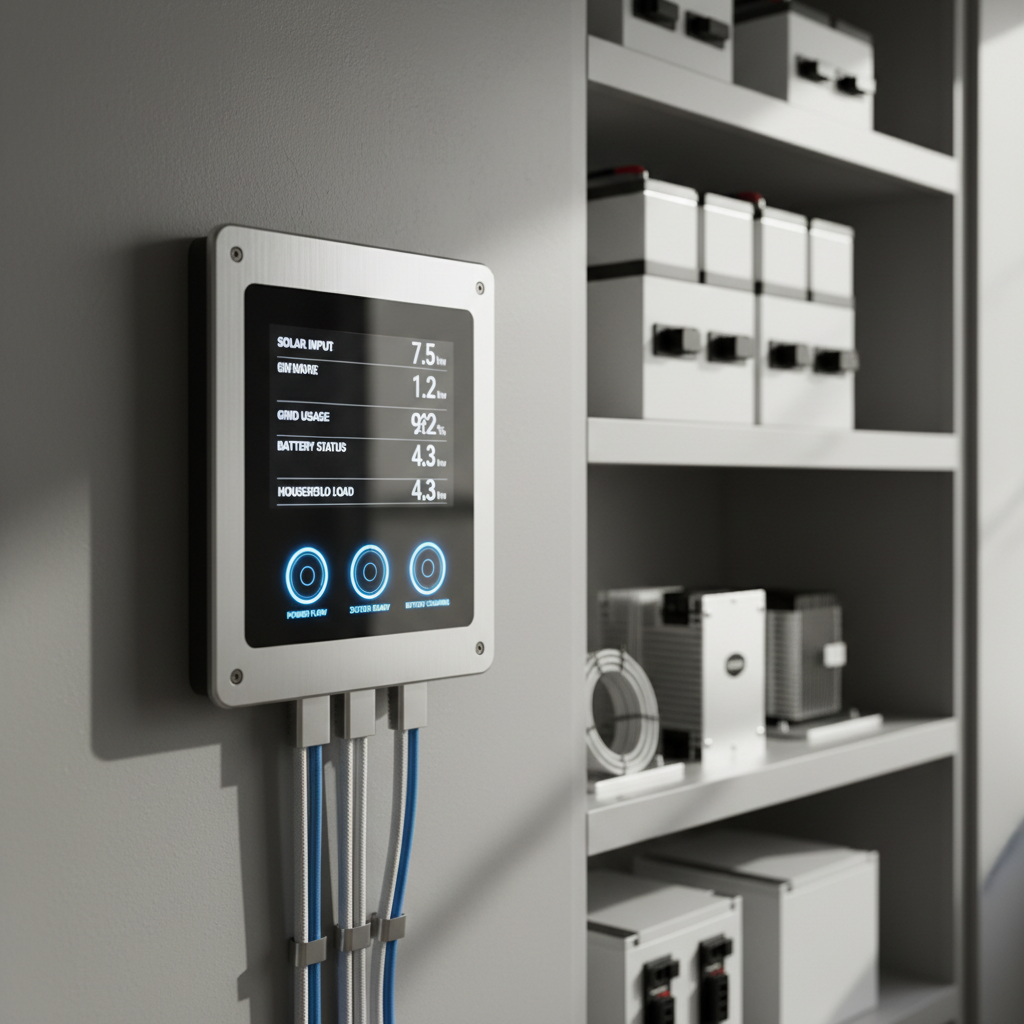
Standby generators offer a more permanent solution. They automatically kick in during a power outage and can power your entire home. These generators are powered by natural gas or propane and are a sound investment for those seeking convenience and reliability.
Fuel Options
Generators run on various fuel types, each with advantages and disadvantages. Gasoline is common but has a shorter shelf life. Propane is more stable and environmentally friendly. Diesel generators are efficient but often more expensive. Consider fuel availability in your area when making a choice.
Key Features to Consider
When selecting a generator, look for features that enhance functionality and safety. Automatic transfer switches are crucial for standby generators, ensuring seamless power transition. Inverter technology provides clean energy, suitable for sensitive electronics. Additionally, noise levels vary, so consider a model with a quiet operation if noise is a concern.

Budget Considerations
Your budget is a significant factor in choosing a generator. Portable generators are generally more affordable, but standby models offer more convenience. Factor in long-term costs, including fuel and maintenance, when evaluating your options. Investing in a reliable generator can save money and stress in the long run.
Installation and Maintenance
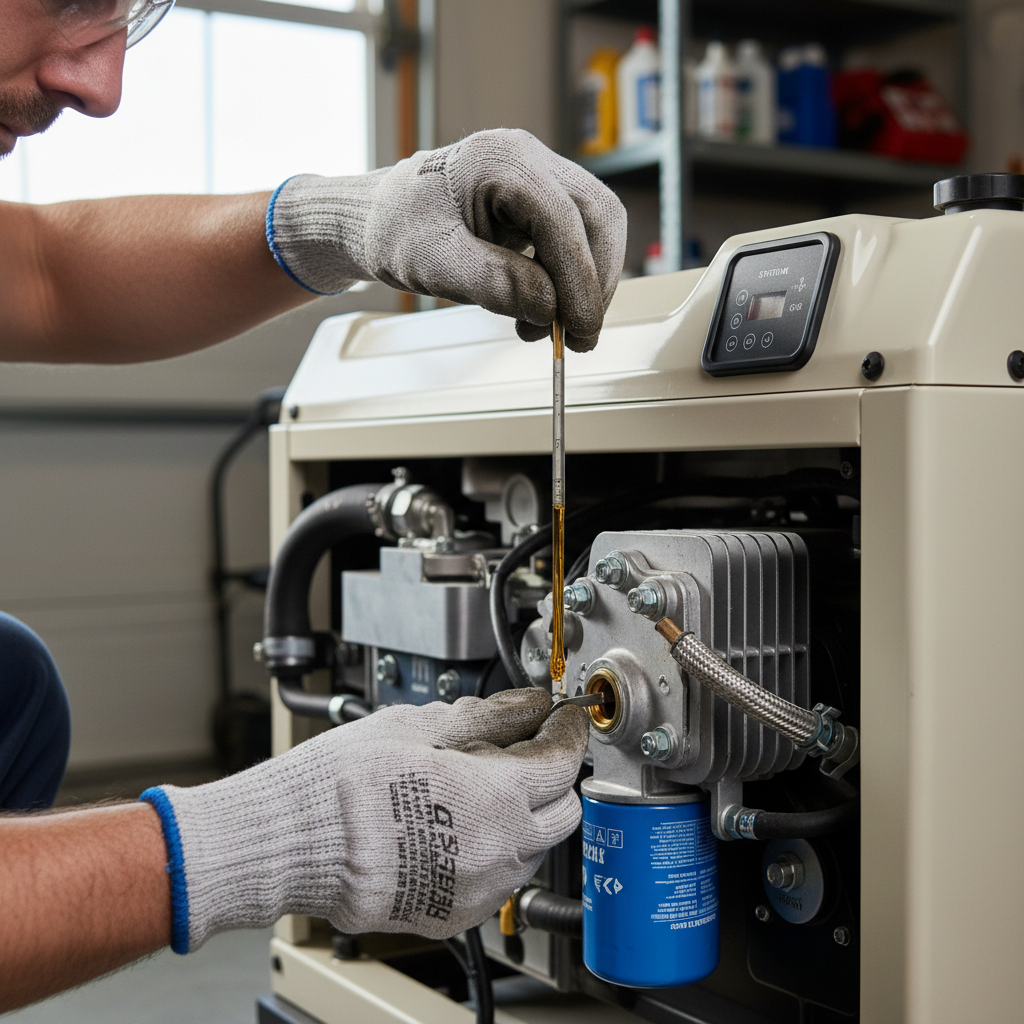
Proper installation and regular maintenance are essential for the longevity and performance of your generator. Standby generators require professional installation to ensure they meet local codes and safety standards. Routine maintenance, such as oil changes and battery checks, will keep your generator running smoothly.
Conclusion
Choosing the right generator for your home involves understanding your power needs, evaluating different types and fuel options, and considering essential features. By taking into account your budget and maintenance requirements, you can select a generator that provides peace of mind and reliability during power outages.