Comparing Portable vs. Standby Generators: Which is Right for You?


Understanding Portable Generators
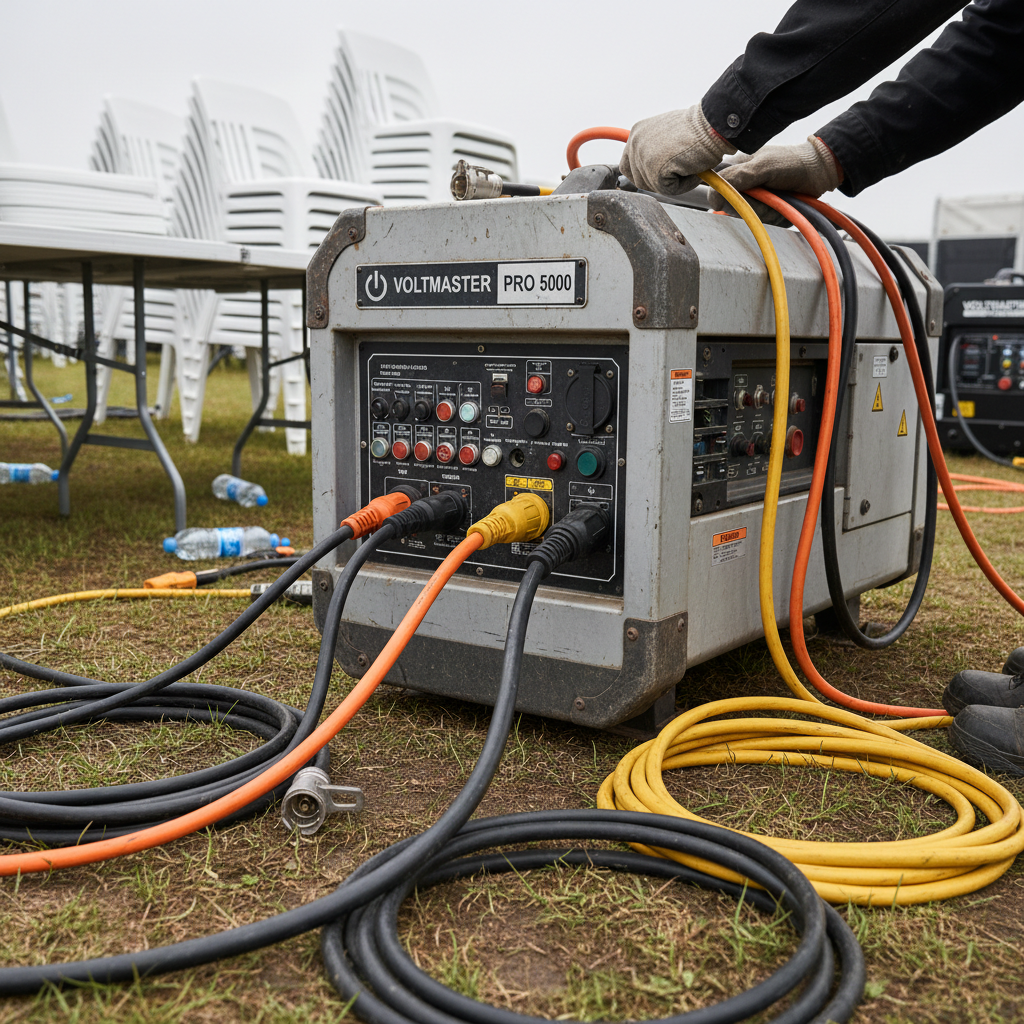
When considering generators, the first type that often comes to mind is the portable generator. These are typically compact, movable units designed to provide power on the go. They are ideal for temporary use, such as during camping trips or short-term power outages.
Portable generators are generally easy to transport, thanks to their wheels and handles. However, it's essential to ensure they are used in well-ventilated areas to avoid the risk of carbon monoxide poisoning.
Advantages of Portable Generators
One of the main benefits of portable generators is their affordability. They tend to be less expensive than standby generators, making them a popular choice for budget-conscious users. Additionally, their versatility allows them to be used in various settings, from outdoor events to construction sites.
Another advantage is their quick setup. Most portable generators are straightforward to operate, requiring minimal installation. Simply fill them with gas, and they're ready to go.
Exploring Standby Generators
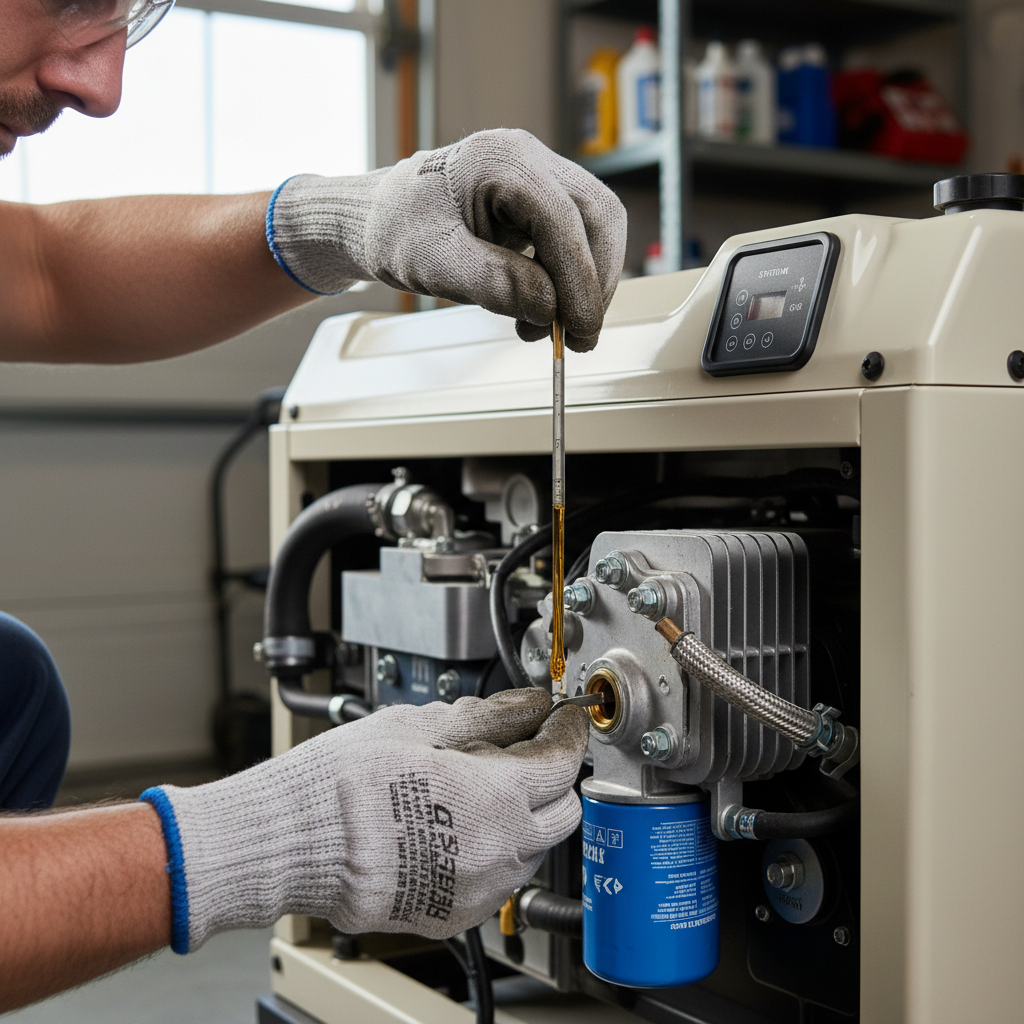
In contrast, standby generators are permanently installed units designed to provide seamless power during outages. They automatically kick in when the power goes out, offering a more convenient and reliable solution for home and business owners.
These generators are connected directly to a building's electrical system and fueled by natural gas or propane, ensuring a continuous power supply without the need for manual intervention.
Benefits of Standby Generators
The primary advantage of standby generators is their automatic operation. They provide uninterrupted power, making them ideal for people who require a dependable energy source, such as those with medical needs or home offices.
Standby generators also typically offer higher power capacity than portable ones, allowing them to run more appliances and systems simultaneously.
Comparing Costs and Maintenance
While portable generators are generally more budget-friendly upfront, it's important to consider long-term costs. Standby generators require professional installation, which can be costly, but they often have lower maintenance needs over time.
Portable generators may need more frequent refueling and servicing, especially if used regularly. Weighing these factors is crucial when deciding which type of generator best suits your needs.
Choosing the Right Generator for You
Ultimately, the decision between a portable and a standby generator depends on your specific needs and circumstances. Consider factors such as budget, power requirements, and how often you anticipate using the generator.
If you need a generator for occasional use or outdoor activities, a portable generator may suffice. However, if you seek a reliable backup power source for your home or business, a standby generator could be the better investment.